
Uganda visas in Dubai: entry requirements and timelines

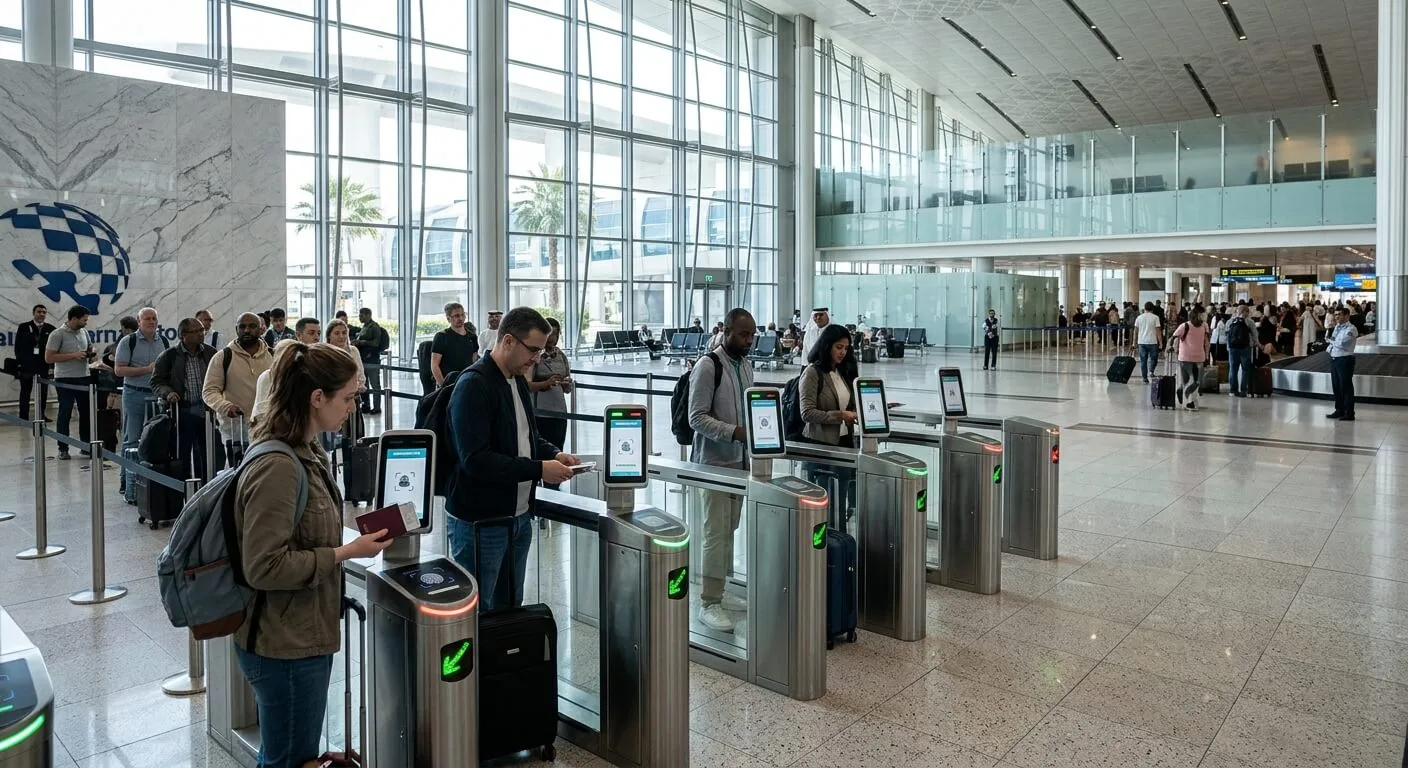
Ugandan citizens can once again apply for visas to enter the United Arab Emirates, provided they prove they have spent at least 21 days outside Uganda prior to landing. The resolution, coordinated by ICP, MoHAP, and NCEMA in November 2026, reopens migration flows under strict preventive health controls.
- Immediate resumption: the blanket visa suspension enacted in June 2026 is formally lifted.
- Mandatory travel condition: a verifiable prior stay of at least 21 days in a third country before entering UAE territory.
- Specific exemptions: previously enrolled students, diplomatic staff, embassy personnel, and urgent medical cases have tailored entry routes.
- Ongoing regional restrictions: nationals of the Democratic Republic of the Congo and South Sudan remain subject to precautionary suspensions.
Origin of the measure and preventive health framework
The initial restriction was introduced in June 2026 in response to the epidemiological developments surrounding the Ebola virus in East Africa. The decision to lift the suspension follows a joint assessment by three state bodies: the National Emergency Crisis and Disasters Management Authority (NCEMA), the Ministry of Health and Prevention (MoHAP), and the Federal Authority for Identity, Citizenship, Customs and Port Security (ICP).
The standard incubation period for the Ebola virus ranges from 2 to 21 days. This clinical reference underpins the technical requirement imposed by the UAE government: ensuring that any traveller originating from Uganda has cleared the maximum window for symptom manifestation outside active exposure zones before crossing border controls in Dubai or Abu Dhabi.
For business owners and family office managers based in Dubai, this regulatory update unblocks recruitment pipelines and personnel mobility that had been on hold since mid-year. Uganda represents a key source of operational talent across essential sectors in the Emirates, including private security, logistics, hospitality, and private household staffing.
The 21-day rule: how to plan travel to Dubai
Lifting the suspension does not mean immediate direct travel routes have been restored. The requirement of a prior stay in a third territory demands precise logistics for employment visas, commercial visit visas, and tourist entries alike.
- Issuance of the entry permit: the employer or sponsor in Dubai submits the application via the ICP portal or the General Directorate of Residency and Foreigners Affairs (GDRFA). The visa is issued normally provided the applicant meets standard criteria for residence and visas in Dubai.
- Departure from Uganda and timeline calculation: the traveller must leave Ugandan territory for a third country that is not subject to UAE health restrictions. Passport entry and exit stamps serve as primary documentary evidence for immigration authorities.
- Pre-boarding verification: airlines operating flights to the Emirates are strictly instructed to verify that at least 21 full days have elapsed between the date of departure from Uganda and the scheduled boarding date for Dubai.
- Border inspection: at airport passport control across the UAE, ICP officers verify the chronology of immigration stamps and may request previous boarding passes or accommodation receipts from the transit country.
Careful advance planning of this itinerary is essential. Attempting to board with short layovers (such as a standard connection in Addis Ababa, Nairobi, or Kigali without a 21-day stay) will result in denied boarding by the airline or immediate turnaround at the arrival airport.
Exempt categories and priority processing channels
The ministerial order provides distinct pathways for specific groups, exempting them from certain general logistical constraints or facilitating entry under clinical monitoring protocols.
Previously enrolled students
Ugandan students already enrolled in educational institutions and universities across the Emirates prior to June 2026 may enter the country alongside their immediate family members. Their admission is subject to compliance with health protocols established by MoHAP, which include medical screening upon arrival and home monitoring, without necessarily requiring an extended stay in a third country.
Diplomatic corps and embassy staff
Administrative personnel at the Embassy of the Republic of Uganda in the United Arab Emirates holding ordinary passports are authorised to enter with their families, subject to protocol procedures coordinated between the Ministry of Foreign Affairs and ICP. Furthermore, holders of diplomatic and special passports issued by the Ugandan government access the country via priority channels reserved for official missions.
Patients requiring medical treatment
Medical transfers and humanitarian cases are reviewed on an individual basis. To authorise entry for a Ugandan patient, authorities require a complete medical file that must include:
- A certified official medical report with a detailed diagnosis.
- Written confirmation from the hospital or healthcare facility in Dubai or Abu Dhabi where medical care will be administered.
- The formal start date of treatment and the anticipated clinical schedule.
Comparison of regional immigration restrictions
The partial reopening for Uganda contrasts with the continued suspension for other countries across the African Great Lakes region, reflecting the risk-based epidemiological approach applied by the UAE government.
| Country of origin | Issuance of new visas | Entry condition | Transits and exemptions |
|---|---|---|---|
| Uganda | Resumed (November 2026) | 21 days outside country of origin | Previously enrolled students, diplomats, and authorised medical cases |
| Dem. Rep. of the Congo | Suspended | Not permitted | Exceptional humanitarian cases under individual review |
| South Sudan | Suspended | Not permitted | Exceptional humanitarian cases under individual review |
This technical distinction means that executives with commercial interests in Central Africa must rigorously verify the nationality and travel history of their staff before organising corporate visits or relocations connected to their company in Dubai.
How this affects your business operations and household in Dubai
For those managing corporate structures or family offices in the Emirates, this reopening introduces clarity, but also additional operational costs and compliance responsibilities that require sound financial planning.
Additional costs in staffing and recruitment
Many Dubai-based companies had signed job offers with Ugandan professionals that were put on hold in June 2026. Bringing them on board now requires funding a three-week stay in a third country (commonly regional hubs like Kenya or Rwanda, or destinations with straightforward visa regimes). This increases onboarding expenses through extra flights, accommodation, and per diems before arrival in the UAE.
Compliance risks in entry documentation
The most common pitfall under conditional travel frameworks is assuming that holding an electronic entry permit issued by ICP guarantees entry. If immigration officials identify that 21 full calendar days have not elapsed outside Uganda, the visa is cancelled at the border. The cost of repatriation falls on the passenger or corporate sponsor, along with potential administrative penalties for the registered business.
Sponsorship of domestic workers
At a personal level, residents sponsoring visas for domestic staff or private drivers of Ugandan nationality must process requests through authorised agencies (Tadbeer) or directly via ICP, ensuring the travel itinerary strictly respects the required timeframe. Attempting to accelerate transit without observing this period jeopardises the resident’s sponsorship file.
Frequently asked questions about Uganda visas
Can a Ugandan citizen fly direct from Kampala to Dubai if they hold a valid residence visa?
No. Unless they belong to an explicitly exempt category (diplomats, students enrolled prior to June 2026 under approved protocols, or authorised medical cases), all visa holders must demonstrate having spent at least 21 days outside Uganda before boarding a flight to the United Arab Emirates.
What documents prove the 21-day stay in a third country?
A physical passport with official entry and exit stamps from the intermediate country serves as primary proof. Travellers are also advised to keep previous boarding passes and hotel or accommodation receipts to prevent delays during ICP immigration inspections.
Does this measure affect work visa holders already residing in Dubai?
Ugandan nationals currently inside the UAE with a valid residence visa or entry permit are unaffected by this restriction. They can renew employment contracts and their Emirates ID entirely as normal from within the country. The 21-day rule is only triggered if they leave the UAE and travel to Uganda before returning.
If you need to manage international staff onboarding, streamline team mobility, or coordinate corporate relocations in line with the UAE’s current immigration framework, our team can evaluate your operational setup. We examine your scenario from a technical and financial perspective via our contact page.
Calculator: how much you could save in Dubai
US citizens and green card holders remain taxable in the US wherever they live: the estimate only reflects the foreign earned income exclusion (USD 130,000 in 2025) on salary income.
Indicative estimate of personal income tax using the general rates in force, without personal reliefs or local taxes. The saving is only real if you stop being tax resident at home (day-count tests and ties) and plan any exit charges in advance.
Exit guides for your home country
Sources and references
- ncema.gov.ae. National Emergency Crisis and Disasters Management Authority (NCEMA)
- mohap.gov.ae. Ministry of Health and Prevention (MoHAP)
- icp.gov.ae. Federal Authority for Identity, Citizenship, Customs and Port Security (ICP)
How we produce this content: editorial policy. Informational content. It does not replace tax or legal advice on your specific situation; regulations may change.
About the author
Albert Montasell
Head of Finance · Registered economist no. 216 (COEA)
Albert Montasell is the founder of MyDubaiWay. His background combines business administration and law, and his career has focused on financial management: financial planning, corporate structures, intercompany operations, international treasury and tax compliance. Today he is Head of Finance at a company, as his LinkedIn profile shows, and he is registered economist no. 216 at the Col·legi d’Economistes d’Andorra. He applies that international consulting experience to every relocation, together with a selected network of partner lawyers and advisers in the UAE.