
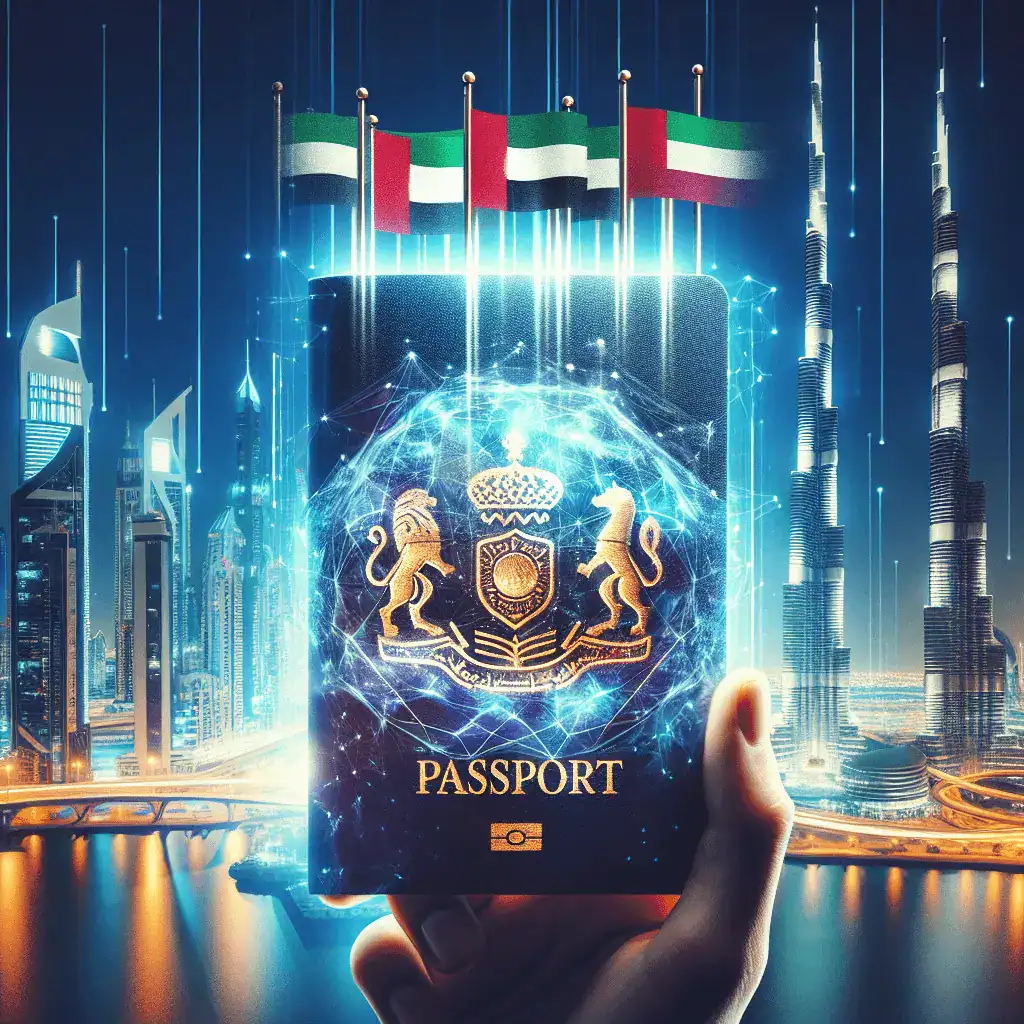
GCC Unified Tourist Visa 2025: The New Era of Travel and Business in the Gulf
In a move redefining connectivity in the Middle East, the Gulf Cooperation Council (GCC) countries are putting the finishing touches on one of their most ambitious initiatives to date: the GCC Unified Tourist Visa. Although often compared to the European Schengen system, this measure represents much more than a simple convenience for tourists. For international entrepreneurs and investors with an eye on the region, it is an unmistakable sign of economic integration and a substantial improvement in Dubai’s value proposition as the ultimate nerve center for global business.
This new framework not only simplifies travel but also unlocks unprecedented potential for market exploration, business meetings, and regional operations management. Let’s delve into what this visa is, how it works, and most importantly, what it means for you as a professional or investor considering Dubai as your operational base.
What Exactly is the GCC Unified Tourist Visa?
In essence, the GCC Unified Tourist Visa is a single entry permit that will grant its holder access to all six member states. This is a monumental shift from the previous system, which required separate and often cumbersome visa applications for each country.
A Single Permit for Six Nations
Under this new system, a visitor will be able to apply for a single visa through a centralized digital platform and, once approved, will be able to travel freely between the following countries during the visa’s validity period:
- United Arab Emirates
- Saudi Arabia
- Qatar
- Oman
- Bahrain
- Kuwait
Initial details suggest a 30-day validity, designed to encourage multi-destination itineraries that were previously logistically complex. This system transforms six adjacent but administratively separate markets into a single cohesive mobility space.
Beyond Tourism: The Strategic Impact for Investors and Entrepreneurs
While the label is “tourist,” the deepest impact of this visa will be felt in the business world. For an entrepreneur residing in Dubai, the Gulf region becomes their commercial playground, eliminating bureaucratic barriers and opening up a host of new opportunities.
Facilitating Regional Business
Imagine the agility this provides: you can attend a conference in Riyadh, meet with an investor in Doha, and oversee an operation in Muscat, all in the same week and with a single visa. This ease of movement is a catalyst for efficiency and growth. For entrepreneurs looking to establish a solid base, understanding how to set up a company in Dubai is the first step to fully capitalize on these competitive advantages. From your UAE hub, access to a multi-trillion-dollar regional economy becomes drastically simpler.
Dubai as the Epicenter of the Gulf
With its world-class airport infrastructure and global connections, Dubai is positioned to be the primary gateway to the region under this new system. This not only reinforces its status as a logistics and aviation hub but also consolidates it as the center of gravity for business activity in the GCC.
The new visa transforms six individual markets into a single interconnected economic space, positioning Dubai residents and businesses at the strategic center of the action.
The “Gulf Schengen” Model: Key Similarities and Differences
Comparison with the European Schengen Area is inevitable and useful, but it is crucial to understand the fundamental differences to manage expectations and grasp the true scope of the initiative.
Similarities with Schengen
The main parallel is convenience: the ability to cross multiple international borders with a single travel permit. The shared goal is to eliminate bureaucratic friction to encourage cross-border travel and economic activity.
Why It’s Not the Same
The GCC model is, by design, more conservative and specific. The differences are important, especially for those considering long-term residency:
- Physical border controls remain: Unlike much of Europe, there will still be passport and customs checks when traveling between GCC countries.
- Does not confer residency or work rights: It is strictly a short-stay visa. It does not allow working, settling, or accessing public services in the visited countries.
- Does not unify immigration laws: Each country maintains its sovereignty and its own regulations on immigration, residency, and labor markets.
- Exclusive focus on mobility: Its purpose is to facilitate travel, not to create a political union or free movement of people akin to the EU.
Security and Governance: The Infrastructure Behind the Visa
Implementing a system of this magnitude is not trivial, and its development has required years of work in aligning security protocols. This demonstrates a high level of trust and cooperation among member states, a fundamental pillar for the stability and predictability that investors seek.
The system is based on a robust technological infrastructure, including shared biometric databases, interoperable entry and exit systems, and a unified regional watch list. This approach ensures that while mobility expands, security is simultaneously reinforced.
Consequences of Non-Compliance
The law enforcement architecture is a key component. Violations, such as overstaying the permitted duration, will result in harmonized and progressive sanctions. These may include daily fines, travel bans, and an automatic flag in databases across the entire GCC. An individual who violates conditions in one country will not simply be able to attempt entry through another, eliminating jurisdictional loopholes and deterring abuse of the system.
What Does This Mean for Your Future in Dubai?
For anyone considering Dubai as their next home or business base, the GCC Unified Tourist Visa is a tangible and strategic advantage.
For Current and Future Residents
This initiative dramatically improves quality of life and professional reach. The ability to take weekend trips to the beaches of Oman, explore Saudi Arabia’s cutting-edge projects, or close deals in Bahrain with unprecedented ease adds invaluable worth to the experience of residing in Dubai. This visa is one of many options available; for a complete overview of your possibilities, our Dubai Residence Visa Guide offers a comprehensive outlook.
A Sign of Integration and Growth
Beyond logistics, this visa is a powerful symbol. It represents the region’s commitment to economic diversification, openness, and cooperation. For an investor, this translates into a more stable, predictable, and opportunity-rich business environment in one of the world’s fastest-growing regions.
Conclusion: A Pragmatic Step Towards a Connected Future
The GCC Unified Tourist Visa is not merely a convenience for travelers; it is a fundamental piece in building a more integrated and competitive economic bloc. By reducing bureaucratic friction and aligning regional ambitions, this initiative reinforces Dubai’s positioning as the undisputed business capital of the Middle East.
For the global entrepreneur, the smart investor, or the forward-thinking professional, this is another conclusive fact demonstrating why Dubai is not just a place to live, but a strategic platform to thrive.
Are you ready to position yourself at the heart of this new era of opportunities in the Gulf? Relocating your residence to Dubai is the definitive strategic move. Contact our team of experts at MyDubaiWay for a personalized consultation and discover how we can facilitate your transition to the epicenter of global business.